What Actually Belongs in a Gym Bag

Most gym bags end up containing far more than they need to. Over time, they fill up with things that feel sensible in theory but rarely get used in practice.

An open gym bag on a bench, showing contents including sweat towel and tape. A pair of trainers are next to the bag.

When you train regularly – and you expect to sweat – you quickly learn which items get used every session and which ones just rattle around taking up space. This isn’t a list for aspirational gym-goers or aesthetic routines. It assumes a simple flow: arrive, change, train, shower, leave.

If something doesn’t serve that process, it probably doesn’t belong in the bag.

Read more ›
Posted in Training and Recovery

3 Ways to Improve Wrist Stability (So Your Lifts Feel Better and Stronger)

Wrist discomfort is a common barrier to progress when training. Whether you’re benching, pressing overhead, doing press-ups or barbell complexes, the wrist is a small joint asked to handle a lot of load. And if your wrists feel wobbly or overworked, everything upstream – elbows, shoulders, and even confidence – takes a hit.

Hands and forearms stretching the wrist to demonstrate wrist mobility before training

The good news? Wrist stability is something you can improve quickly with a few simple drills. You don’t need special equipment, and you don’t need to overhaul your entire programme. Just a few minutes of targeted work can make your wrists feel stronger, more supported, and more predictable under load.

Here are three reliable, practical ways to build wrist stability so your lifts feel better – starting today.

Read more ›
Tagged with: , ,
Posted in Physio & Sports Therapy, Training and Recovery, Uncategorized

Wrist Pain at the Gym: Simple Ways to Keep Your Hands and Wrists Happy When You Train

Woman grips a barbell in preparation for a lift.

If you train a few times a week – lifting, classes, circuits, a bit of everything – you’ve probably had moments when your wrists or thumbs feel off for no obvious reason. Not injured. Not dramatic. Just enough to make a movement annoying or to make you think twice about the next set.

Most wrist pain at the gym falls into that category. It isn’t a big issue – it’s the small things building up:

  • a day at your desk
  • not enough recovery time (e.g. kettlebells on Monday followed by pull-ups on Tuesday)
  • gripping harder than you realise
  • cold gyms
  • calluses getting sore or splitting

The good news?
These niggles respond brilliantly to tiny adjustments. You don’t need a huge routine or specialist kit – just a bit of prep and some smart habits.

Let’s break down why wrist and thumb irritation shows up, what to try, and how to keep training comfortably all week.

Read more ›
Tagged with: , , , , , , , , ,
Posted in Hand and Finger Taping, Training and Recovery, Uncategorized, Wrist Taping

How to Use Thumb Tape for Lifting and Gym Work: Protect Your Grip, Improve Your Training

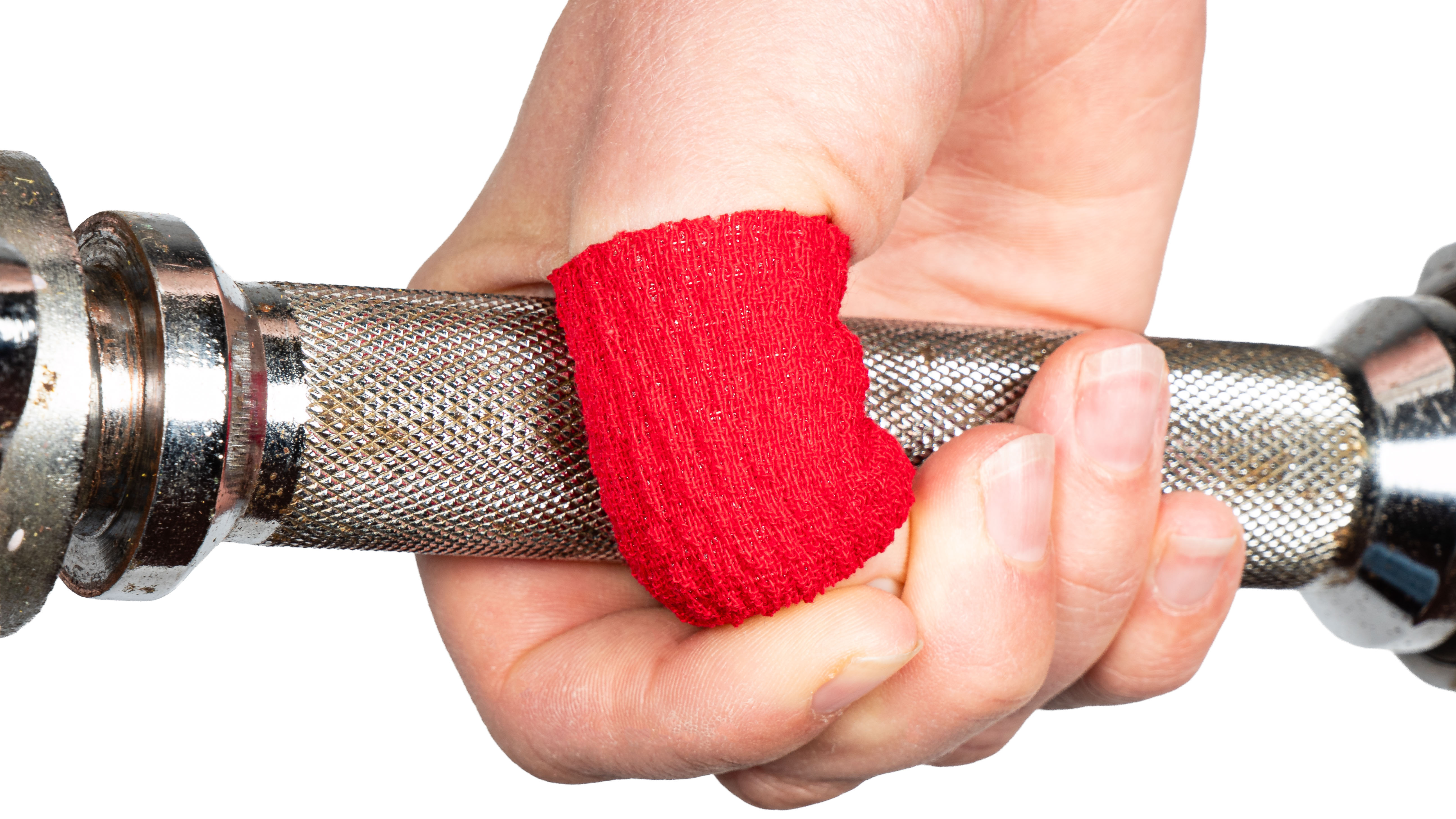
Hand hook-grpping a dumbell. The thumb is protected by Physical Sports Tearable EAB Thumb Tape in red.

The Thumb Tape That Works as Hard as You Do

If you train regularly, you know the toll it takes on your hands. A few sets of deadlifts, pull-ups, or kettlebell swings and your thumbs start to feel every rep. Calluses build, skin tears, and suddenly your grip — the foundation of so much training — is the limiting factor.

That’s where a good roll of thumb tape can make a real difference. Whether you lift weights, do functional fitness, or take on the occasional CrossFit-style workout, the right tape protects your skin, supports your thumbs, and keeps you training comfortably.

Our Tearable EAB Thumb Tape is designed to do exactly that — and to make it quick and easy.

Read more ›
Tagged with: , , , , , , , , , , , ,
Posted in Hand and Finger Taping, News, Sports Taping

How to Use Foam Underwrap

Foam underwrap applied to a wrist

Foam underwrap is a thin foam tape intended to be applied as a base layer between the skin and strapping tapes. Its primary purpose is to protect the skin from rubbing and irritation.

  1. Wrap the area you intend to tape in the underwrap – a single layer is usually enough.
  2. Foam underwrap has no stick at all but does cling lightly to itself. If you struggle with it, try some pre-tape adhesive or a thin smear of petroleum jelly to give it some tack.
  3. The underwrap does not need to be tight but try to keep it close to the skin without any slack (as pictured.)
  4. Once the area is wrapped, apply the strapping tape on top. (You need to get this part right first time, because if you pull back the tape the underwrap will tear away with it.)
  5. Once the tape job is complete, you can tear or cut away any excess underwrap which protrudes at the edges.

Read more ›

Tagged with:
Posted in Sports Taping